Italian Culinary Rules You Absolutely Need to Know
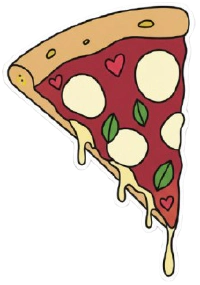
If you’re Italian, you already know there are sacred culinary rules: no pineapple on pizza, never break your spaghetti in half, and cappuccino after 2 p.m. is off-limits. Break them, and you risk losing your Italian passport… and no, I’m not exaggerating. Some of these food laws make perfect sense, others… less so, but all of them seem carved in stone.
From a young age, we’re taught very specific habits (true unwritten rules that must be followed to the letter). Often, though, we don’t even know why they exist: we take for granted that cheese doesn’t belong on fish and are scandalized when someone dares to do it.
Where Italians’ obsession with food comes from
Italians are deeply connected to culinary tradition, and a big part of our national pride comes from food. Each region has its own dishes and habits, but what unites us all is a good pizza and a perfect tiramisu. Food is the social glue: we don’t make small talk about the weather, we talk about what’s on our plates. We learn recipes from our grandmothers, make pasta by hand for special occasions, and spend Sundays at the table, course after course, chatting about everything that happened during the week.
When I was in Texas, I discovered a different world: fast meals, often standing up, at the counter or in the drive-thru. In Italy, dinner is a moment to share; everyone is expected to be home, often later than in other countries, but always with the family gathered. And of course, we’re proud that our cuisine is loved around the world.
Italian culinary rules
So, if you want to survive among Italians without raising disapproving eyebrows, here are the main rules (explained in a way that actually makes sense):
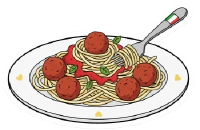
Don’t break your spaghetti: leave it long; that’s the only way to scoop up the sauce properly and avoid a messy plate.
Don’t mix meat and fish: the flavors are too different and can clash. On special occasions, a sorbet is sometimes served between courses to “cleanse the palate.”
Never put cheese on fish: it masks the delicate flavor and ruins the balance of the dish. Never, ever, ever.
No cappuccino after 2 p.m.: it’s a breakfast drink, best with a pastry. Hot milk slows digestion and can become heavy.
No coffee after 5 p.m.: the moka is unforgiving. You’ll be awake all night.
Use only olive oil (unless frying): it enhances flavors and is healthy.
Pasta should be al dente: texture matters.
Boil the water before adding pasta: it cooks evenly.
Add salt only when the water is boiling: speeds up cooking and makes pasta perfect.
A bit of pasta water in the sauce (no cream!): it binds the sauce and makes it creamy without weighing it down.
Risotto and pasta are not side dishes: they are main courses.
Ketchup on pasta? Never: it may look like tomato, but it’s a culinary crime (basically just a processed sauce full of sugar).
An Italian’s opinion… and contradictions
But here’s the truth from an Italian with some time abroad: every cuisine has its own dishes and traditions, developed independently of grandma’s rules. Taste is personal and formed from a young age: what’s too spicy for me might be bland and boring to someone else.
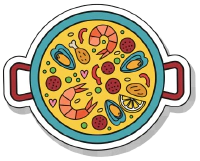
After a year in Texas with a Mexican family, I learned to love nachos smothered in spicy sauce; something I would have never imagined before. Even the strict rule of not mixing meat and fish falls apart when I admire a steaming plate of paella mixta valenciana.
Also, when no one’s watching, I drink coffee with milk after lunch because it’s sweeter, and I always, always put grana cheese on tuna pasta. Small “scandals” for a true Italian, yet incredibly satisfying. Discovering new food habits, not judging, and trying something different is good for the palate… and the mind.
The moral: we can all eat whatever we want and enjoy what we’re used to without feeling guilty. Italian rules are a guide, but exploring the world teaches you that taste is more flexible than you might think.